• Birinci navigasyona geç
  • Skip to main content

SOLARIAN

Are you ready to discover?

  • About Us
  • Services
    • Investment-Stage Inspection & Verification
    • Inspection & Measurement
    • Solar Panel Production Inspection
    • Condition & Performance Verification (Investment Valuation)
  • Our References
  • Articles
  • Career
  • Contact Us
  • English
    • Türkçe
    • English
    • Deutsch
    • Română
    • Español
    • Italiano
    • العربية

Genel

Employer Engineering in Solar Power Plants

It’s time to build a solar power plant and generate your own electricity. In this process, with our employer engineering service, we technically manage the entire process for you and help you get the best out of the facility you will build. You can find our technical engineering service scope for SPPs below. If you have any questions about our scope of services, you can contact us here or send us an email.

1. Pre-Construction Period

1.1. Design Verification (IEC 62548) and Confirmation of Yield Analysis
The project’s design documents are reviewed against the requirements of IEC 62548 and IEC 62446-1: string sizing, maximum system voltage and current limits, cable cross-sections and voltage drop, protection coordination and the earthing arrangement are verified. The shading and loss assumptions used in the design are confirmed against the actual site conditions, including rooftop obstacles (chimneys, lighting, etc.) and geographic obstacles (hills, trees, etc.). The meteorological data set and calculation method used in the yield analysis are reviewed independently, and whether the declared production figures are substantiated is reported.
1.2. Verification of Final Projects
After the selection of the EPC, the projects to be drawn by the EPC are controlled and approved by us, and the approval of the projects by the EPC to the relevant institutions is supervised.

2nd Construction Period

Construction period engineering services are the processes that include the design and supervision of the processes that will take place during the investor company’s solar power plant investment and the commissioning of the power plant. In this way, it is aimed to minimize the risks and prevent possible problems that may occur in the long term. It also aims to take measures to protect the rights of the investor for possible legal processes.
2.1 Solar Panel Production Process Factory Inspections
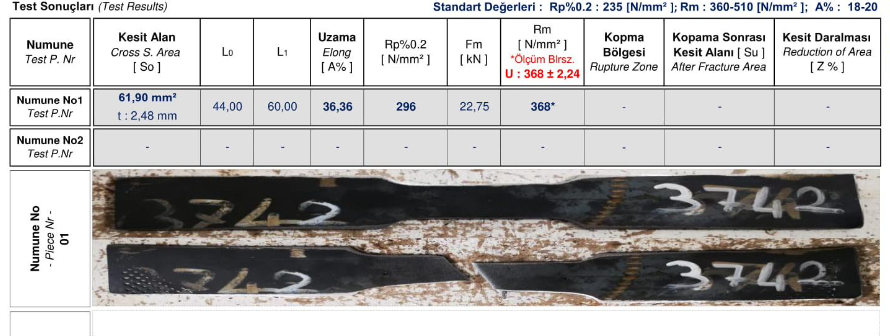
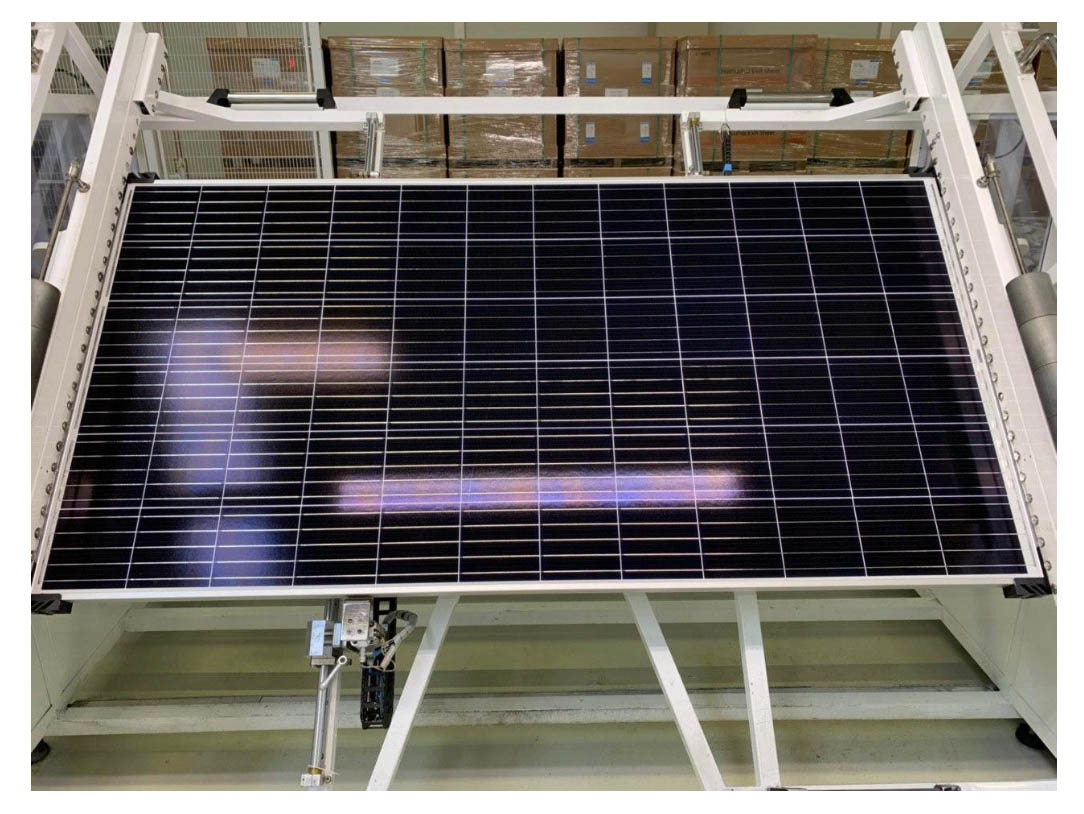
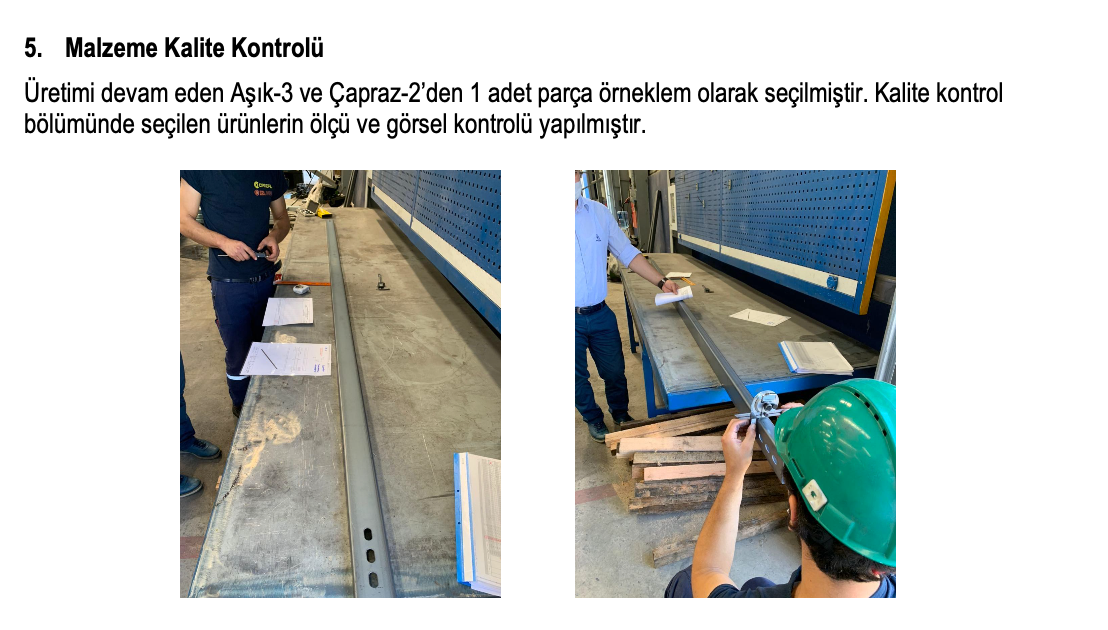
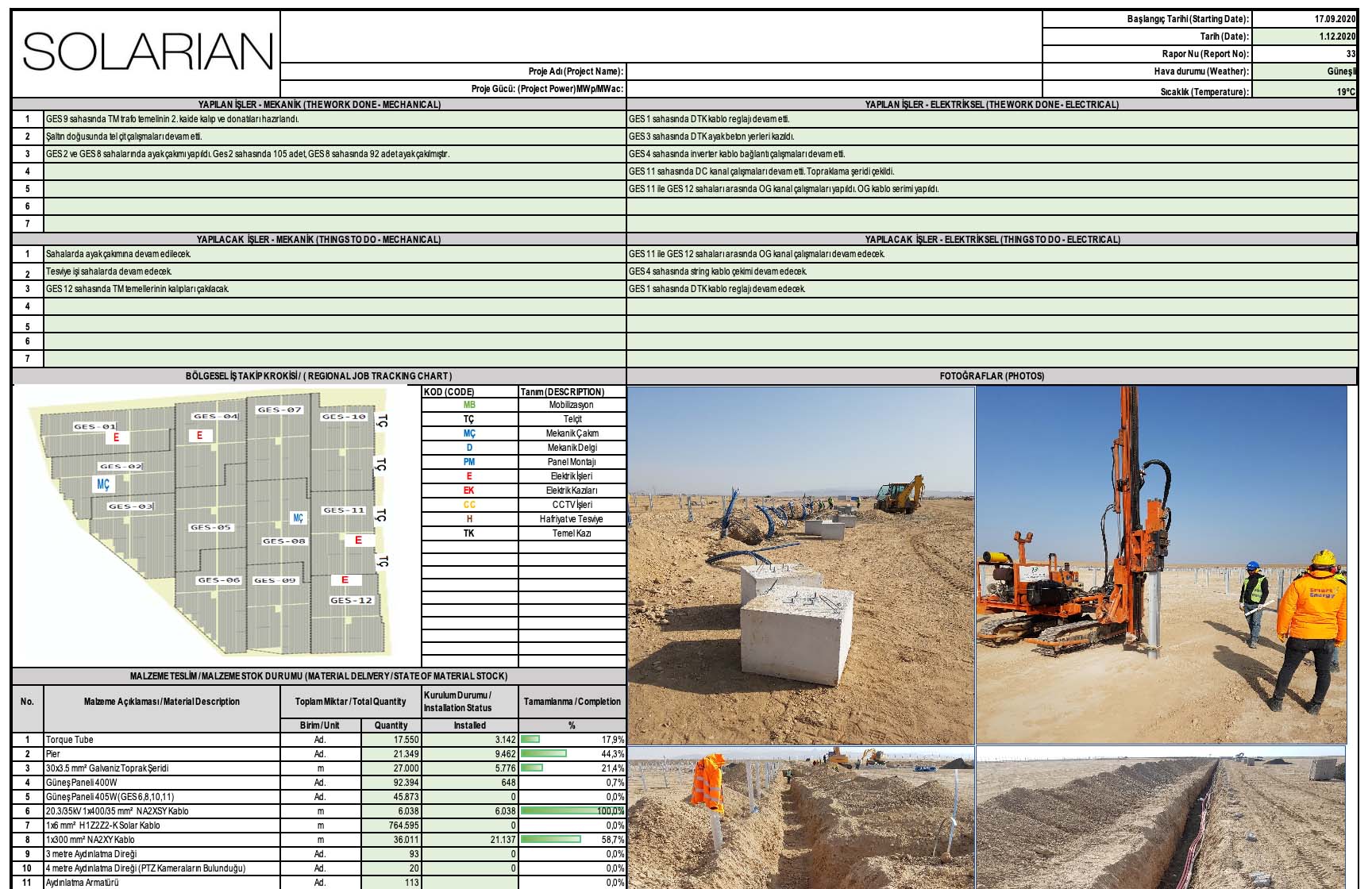
The most important equipment used in solar power plants is the solar panel. For this reason, it is important that its production is realized in accordance with the standards. Production controls of solar panels are carried out in two stages. At the first stage, product certification control is carried out. Factory inspections are then carried out during the production process.Güneş paneli üretim fabrikası denetimi 2.3. Inspection of Construction Processes Regular on-site project audits are carried out for the healthy progress of the project from inception to acceptance. In this process, project progress is monitored according to the contract. Regular project visits are carried out during construction. According to the requirements of the EPC contract, construction and project progress is monitored in line with the planned schedule. Alanlarında uzman bir ekip ile düzenli olarak tesis denetimi ve ziyareti Quality controls are carried out during the production of incoming materials for the SPP plant and after shipment to the site. Çatılarda kullanılan konstrüksiyonların kalite denetimi Çatı konstrüksiyonlarında kullanılan malzemelerin kimyasal ve fiziksel analizleri All construction and assembly works are carried out in a controlled manner, as any mistake in the assembly part may become irreversible in the future. The process is regularly reported and recorded from start to finish. Düzenli olarak saha raporlaması
2.2. Commissioning Tests
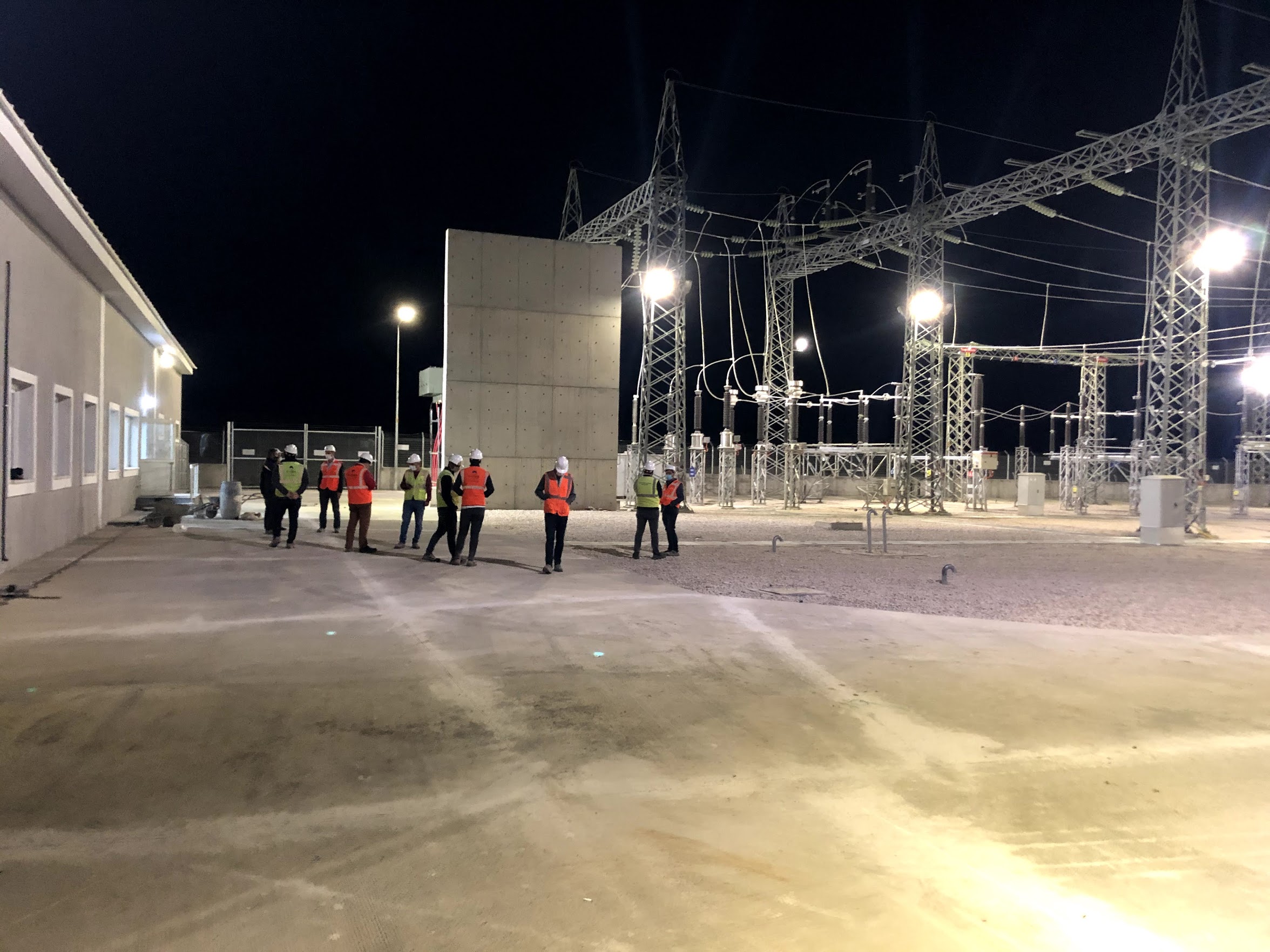
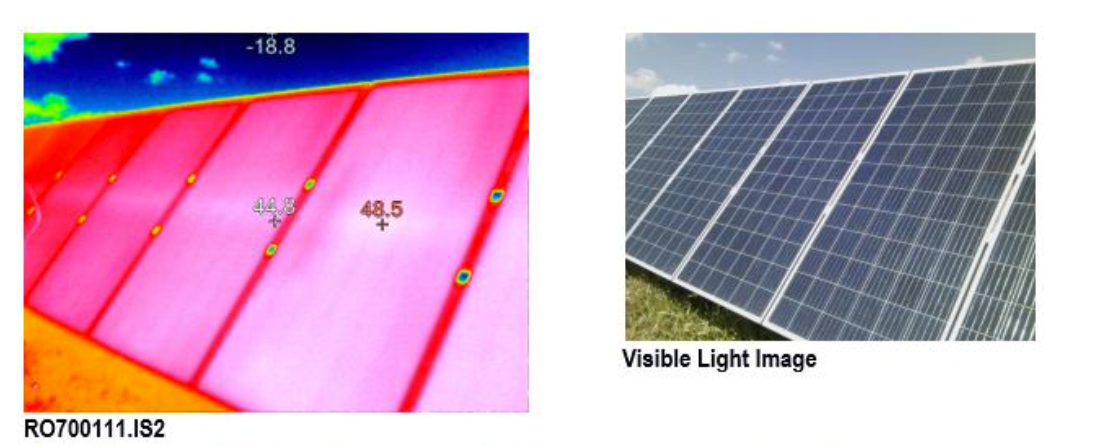
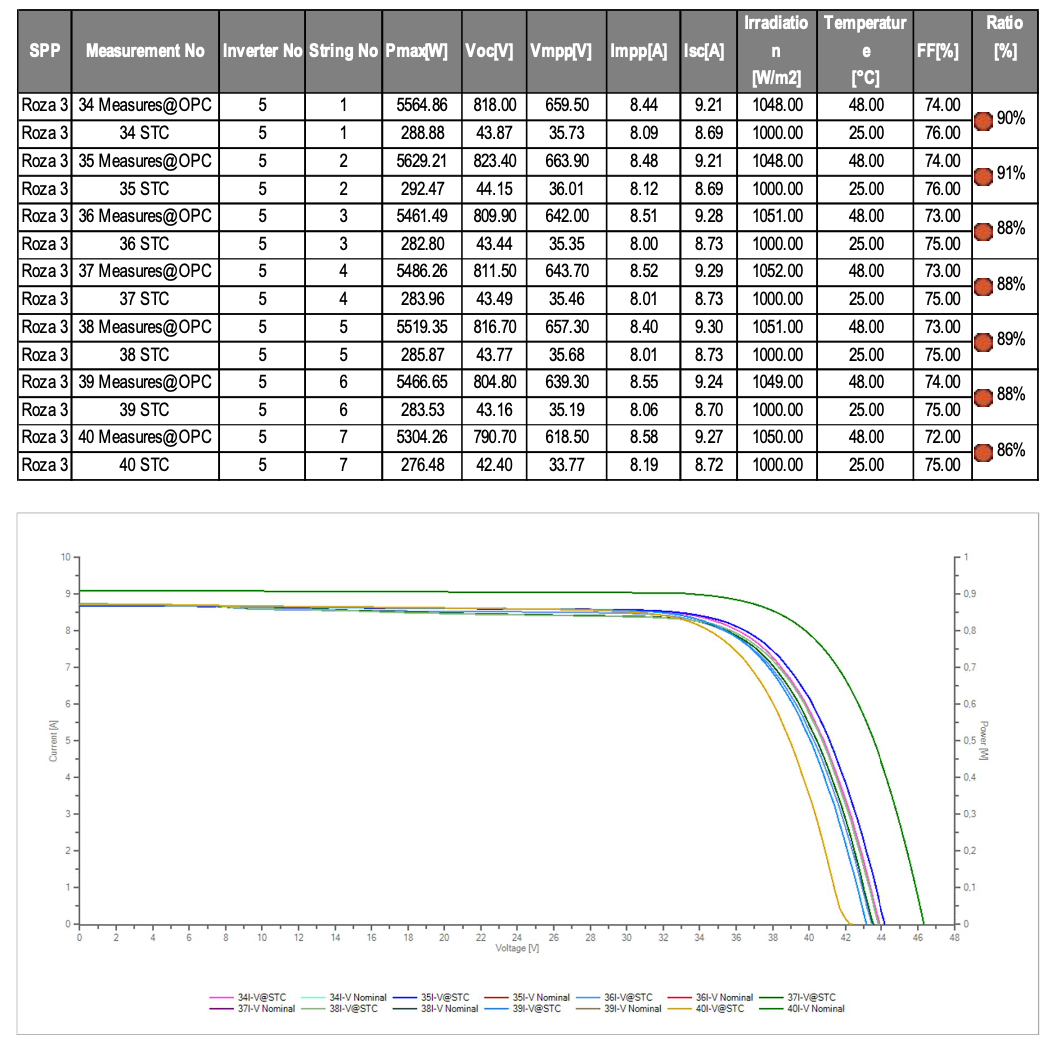
In order to monitor and measure the performance of solar power plants, it is necessary to perform tests within the scope of IEC 62446 and IEC 60891. These tests are mainly IV-Curve (current-voltage) measurement, thermal tests, insulation test, grounding test and performance measurement. After the solar power plant is installed, these tests are carried out and it is analyzed whether the plant performs as expected. You can find a detailed description of the tests here. A report containing all the tests is prepared. This report is also a risk table. According to the report, the findings are prioritized and presented to the EPC company. The findings are reported to the investor in order of priority. Çatı tipi güneş enerjisi yatırımlarında termal testlerin gerçekleştirilmesi Çatı tipi güneş enerjisi santrallerinde akım-gerilim IV testleri
3. Final Acceptance Tests (IEC 62446)

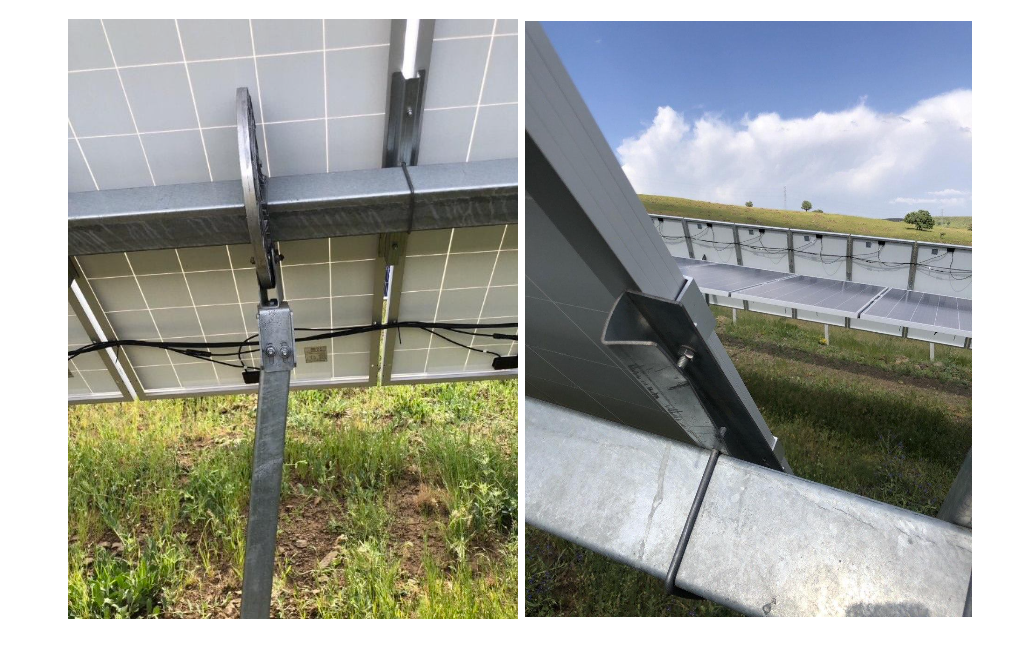
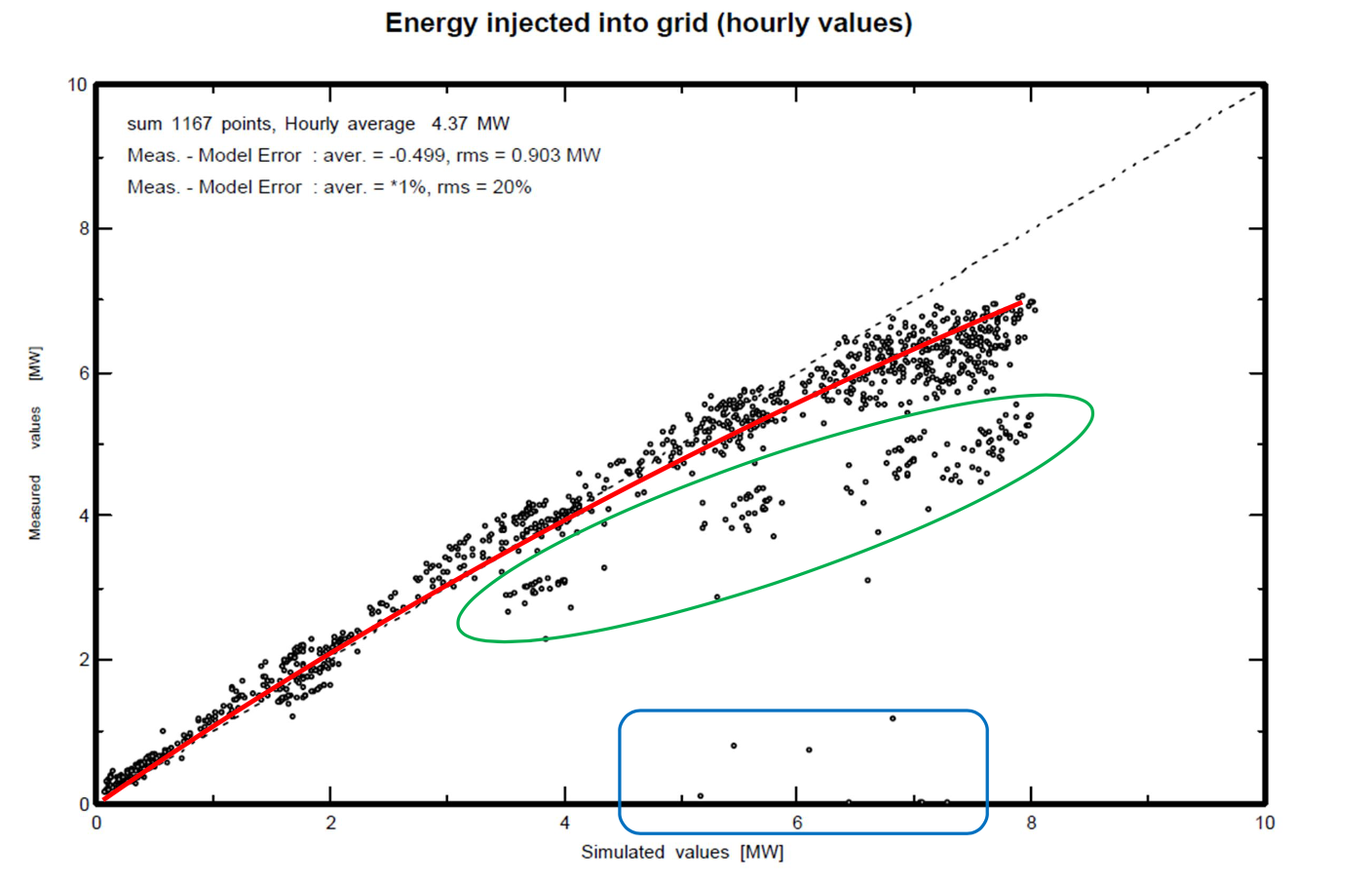
After at least 6 months of operation of the facility, a site visit is made and visual and electrical controls are carried out according to the standards. At the same time, performance measurements of the equipment are made and it is reported to the investor whether the conditions guaranteed by the manufacturer are met. Visual inspections check for physical defects, while electrical tests check production performance. GES güneş enerjisi santrallerinde görsel denetim Once the plant is in production, radiation data, production data and temperature data are processed and the overall efficiency of the system is calculated. With this calculation, the performance of the system is revealed. In the subsequent controls, degradation is also based on this data. This is a necessary data set to track any project-wide problem or excessive degradation of cells. Güneş enerjisi santrallerinde performans testleri
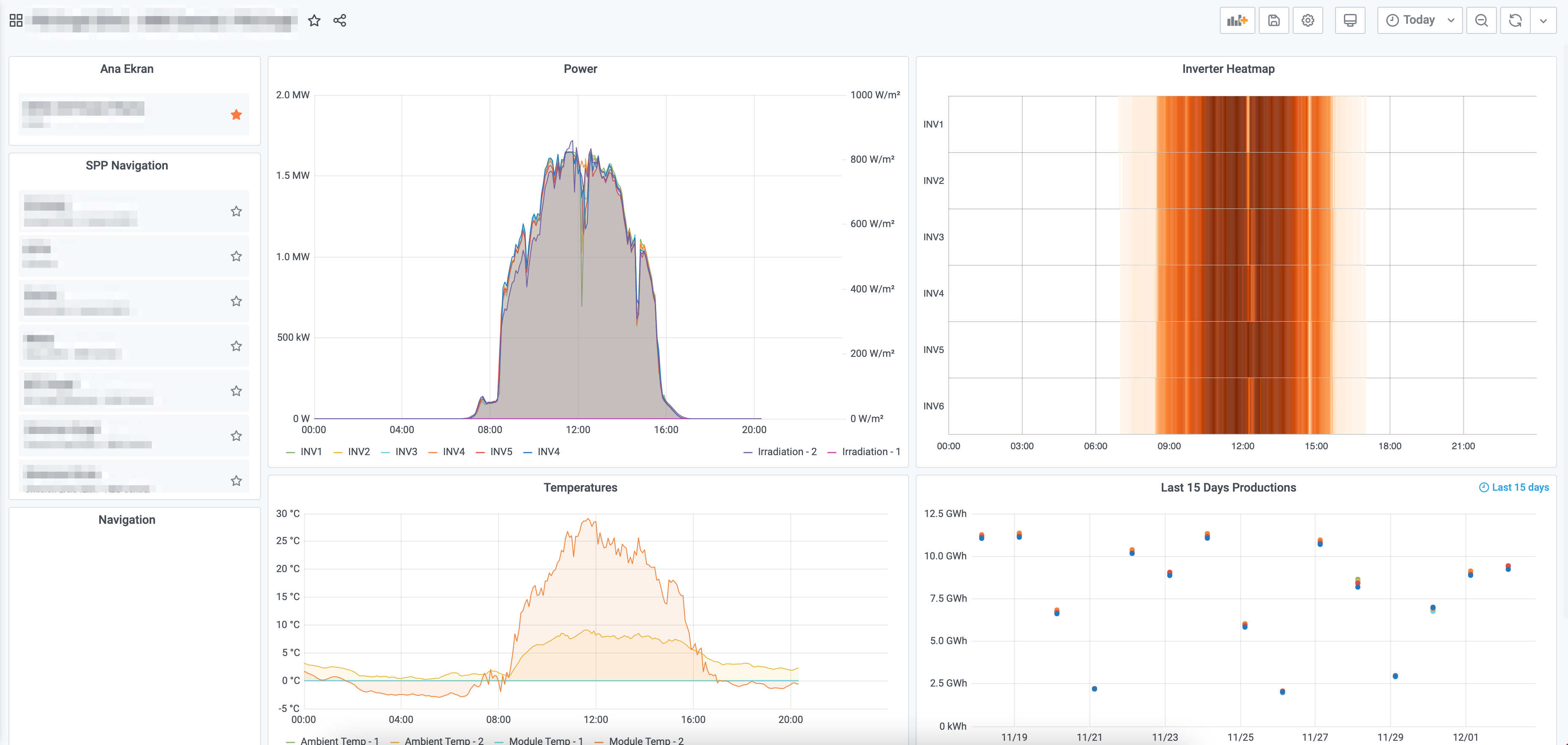
4. Periodic Performance Verification Reports (12 Months)

Once the plant is in production, radiation data, production data and temperature data are processed and the overall efficiency of the system is calculated. With this calculation, the performance of the system is revealed. Çatı tipi güneş enerjisi yatırımlarında PR kontrolü Çatı GES'lerde üretim ve gelir raporlaması. Kapamaların belirlenmesi. EPC sorumluluklarının belirlenmesi. We provide independent inspection and verification services throughout the process, from system design to operation. Please contact us for information about our employer engineering service.
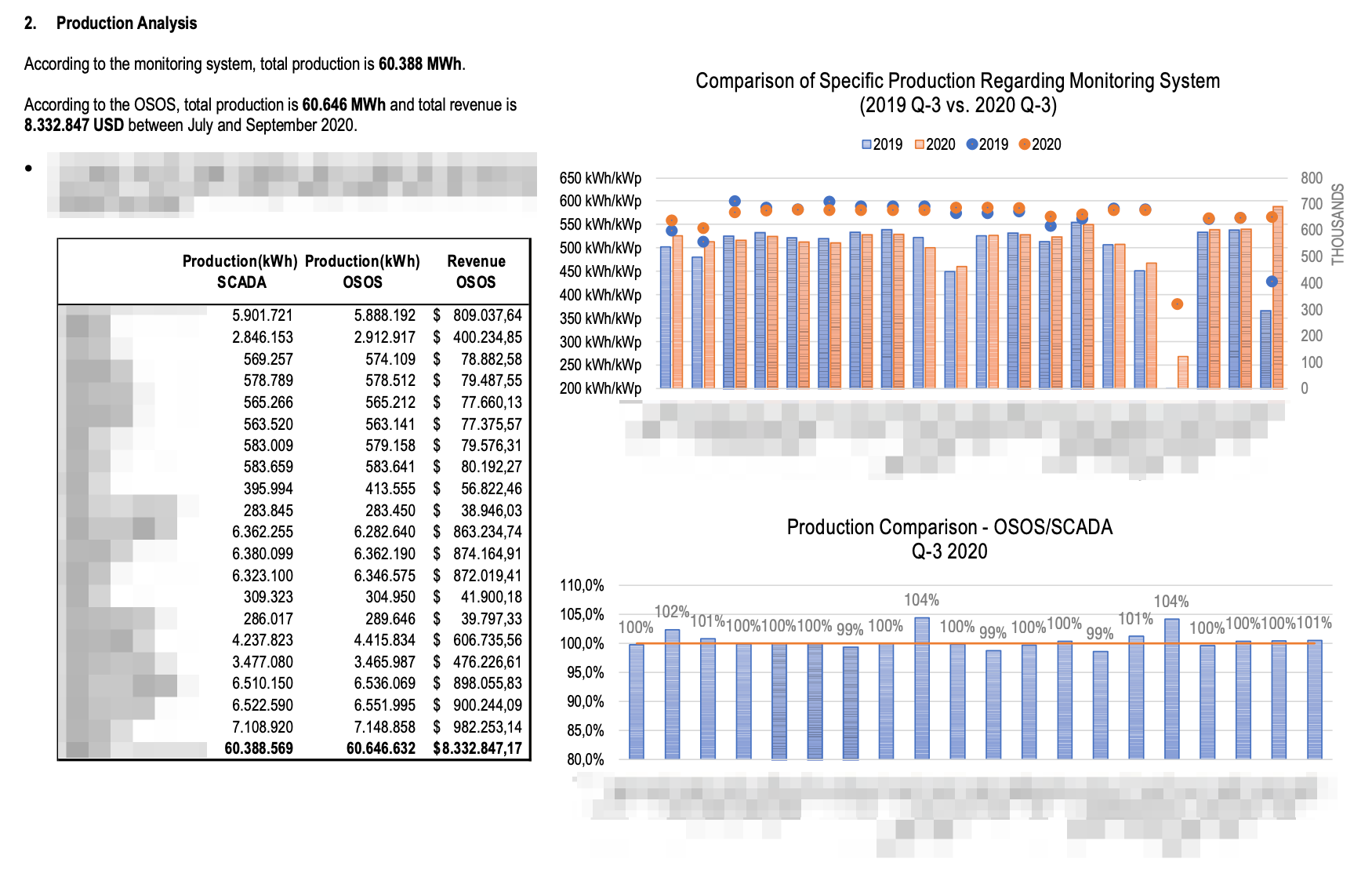
Our inspection and verification reports can be used by investors as evidence in technical due diligence, financing applications and plant acquisition assessments.

This service is within the scope of our TURKAK accreditation (AB-0649-M). Scope of accreditation
Safety and Risk Management in Battery Energy Storage Systems (BESS)

While Battery Energy Storage Systems (BESS) in solar power plants make renewable energy compatible and sustainable with existing grids, the safety and risk management of these systems comes to the fore. From fire risks to electrical hazards, the complex nature of BESS requires careful risk assessment. Standards such as IEC 62619, NFPA 855 and the Technical Specification provide guidance to mitigate these risks. In this article, we will examine the safety requirements, potential risks and emergency strategies for BESS. Our goal is to lay out a framework that maximizes both the effectiveness and reliability of this technology.

Fire Risks and Precautions

Thermal Leakage and Protection

One of BESS’ biggest safety concerns is the risk of thermal runaway in battery cells. IEC 62619 requires cells to limit combustion propagation in overcharge or short-circuit situations. According to the Technical Specification, while LFP batteries offer the advantage of thermal stability, fire suppression systems compliant with NFPA 855 (e.g. aerosol-based) are mandatory. In addition, UL 9540A tests require measures such as intermediate walls that prevent the spread of fire from one cell to others. This minimizes the risk of fire in a solar power plant.

Electrical Safety

Short Circuit and Over Voltage

Electrical risks are another area to be considered when integrating BESS with the grid. IEC TS 62933-5-1 defines safety mechanisms to protect the system in case of short circuit and overvoltage. According to the Technical Specifications, the Power Conversion System (PCS) should absorb sudden load changes by reacting within 200 ms and should be backed by fuses. For example, a sudden voltage spike in a 10 MW system should be controlled by the BMS activating circuit breakers.

Environmental and Operational Risks

Temperature and Humidity Control

Environmental factors can also affect BESS safety. IEC TS 62933-4-1 addresses the impact of temperature and humidity on battery performance, stipulating a range of 15-25°C with recommended HVAC systems. Excessive temperature can shorten battery life or increase the risk of thermal runaway, while high humidity can lead to corrosion. For example, in a solar power plant, HVAC failure can jeopardize the system’s 80% Depth of Discharge (DoD) performance. These risks should be avoided through regular maintenance and monitoring.

Emergency Strategies

Simulation and Response Plan

Beyond risks, emergency preparedness is also critical. While NFPA 855 provides evacuation and extinguishing protocols for fire scenarios, 3 days theoretical + 3 days practical staff training is also recommended. For example, a thermal runaway in a power plant can be simulated to test the response time of teams; the BMS should disconnect the grid and alert operators when it detects the event. The test methods of IEC 62933-2-1 are used to verify the resilience of the system in such scenarios.

Security and the Future

The safety of BESS is essential to ensure the long-term success of solar power plants. The management of fire, electrical and environmental risks must be ensured by both standards and practical measures. IEC 62619, NFPA 855 and the Technical Specifications prepared by the Solar Employer’s Engineer provide guidance in this process, while regular testing and training keep risks under control.

If you need engineering for your storage solar power plants, you can contact us at bilgi@solarian.com.tr.

Efficiency, Lifetime and Recycling in Solar Energy Storage Systems

The effective use of solar energy storage systems depends on their longevity and efficiency, both technically and economically. The lifetime, charge/discharge cycle, storage efficiency and recycling processes of battery energy storage systems (BESS) are among the factors that directly affect the sustainability of renewable energy systems. In this paper, battery lifetime, efficiency optimization and recycling processes will be discussed.

Battery Life and Aging Factors

Battery life is usually determined by charge/discharge cycles and depends on the following factors:

  • Depth of Discharge (DoD): Deeper discharges increase the aging rate of the battery.
  • Temperature Conditions: High temperature accelerates electrochemical reactions and can cause battery degradation.
  • Charge/Discharge Rates: Rapid charging or discharging can cause battery components to wear out quickly.

Efficiency Improvement Methods in Storage Systems

The following strategies can be used for maximum efficiency of battery systems:

  • SoC Optimization: Long life can be achieved by keeping the batteries within a certain charge range.
  • Hybrid Storage Systems: A combination of different battery technologies can increase efficiency.
  • Intelligent Management Systems: Algorithms that optimize battery life using EMS and BMS can be implemented.

End-of-Life Management and Battery Recycling

When batteries reach the end of their life, two basic strategies can be followed:

  1. Secondary Use (Second Life Applications): Batteries from electric vehicles can be reused for energy storage.
  2. Recycling and Disposal: Precious metals (lithium, cobalt, nickel) in the battery should be recycled in specialized facilities for recovery.

Environmental Impacts and Sustainability Guidelines according to IEC TS 62933-4-1

The IEC TS 62933-4-1 standard provides some recommendations for reducing the environmental impact of energy storage systems:

  • Implementation of battery recycling programs,
  • Use of materials that leave a low carbon footprint,
  • Prefer battery technologies with high recycling rates.

Economic Analysis: Levelized Cost of Storage (LCOS) and Return on Investment

You can measure the economic efficiency of energy storage systems with the Levelized Cost of Storage (LCOS). In the LCOS calculation, you should consider the following factors:

  • Battery investment cost,
  • Operation and maintenance expenses,
  • Cost per energy cycle.

Conclusion

Efficiency, long life and sustainable recycling practices in solar energy storage systems are critical for the future of renewable energy systems. IEC standards and smart management strategies ensure optimal utilization of battery systems both economically and environmentally.

If you need engineering for your storage solar power plants, you can contact us at bilgi@solarian.com.tr.

Advanced BESS Technologies and Alternative Battery Chemistries

Battery Energy Storage Systems (BESS) are one of the critical components that strengthen, facilitate and sustain the integration of renewable energy sources into the grid. While lithium-ion batteries are currently considered the dominant technology, advanced battery chemistries and alternative energy storage systems have the potential to increase energy efficiency and reduce costs. In this article, we will discuss innovative battery technologies that go beyond traditional lithium-ion batteries and their advantages in BESS applications.

Alternative Battery Technologies

1. Sodium-Ion (Na-Ion) Batteries

  • Advantages: Lower cost and more environmentally friendly compared to lithium-ion batteries.
  • Disadvantages Energy density is lower than lithium-ion batteries.
  • Areas of Use: Large-scale energy storage systems, grid-scale energy balancing.

2. Flow Batteries (Redox Flow Batteries – RFB)

  • Working Principle: Electrolyte solutions are stored in two separate tanks and energy is stored through chemical reactions.
  • Advantages Long cycle life, capacity scalable independently.
  • Disadvantages: Low energy density, more suitable for large systems.
  • Areas of Use: Gridscale energy storage, renewable power plants.

3. Solid State Batteries

  • Advantages: Higher energy density, better thermal stability, safe use.
  • Disadvantages: High production costs, limited commercial scale-up.
  • Areas of Use: Electric vehicles, long-lasting energy storage systems.

4. Lithium-Sulfur (Li-S) Batteries

  • Advantages: Higher energy density, lower material cost.
  • Disadvantages Short cycle life, risk of degradation during charging/discharging.
  • Areas of Use: Aviation, portable energy storage.

5. Zinc-Air Coils

  • Advantages: Low cost, high energy density, safe and environmentally friendly construction.
  • Disadvantages Low charge-discharge efficiency.
  • Areas of Use: Backup energy storage, small scale applications.

Advanced Materials and Innovations for BESS

  • Graphene and Nano Materials: Innovative materials for better conductivity and increased battery life.
  • Advanced Electrolytes: Solid and gel electrolytes that reduce the risk of combustion in lithium-ion batteries.
  • Smart Battery Management Systems (BMS): Artificial intelligence-supported systems that enable batteries to operate more efficiently and safely.

Battery Performance in High Temperature and Harsh Environmental Conditions

  • Sodium-Sulfur (NaS) Batteries: Long-life batteries suitable for operation at high temperatures.
  • Lithium-Titanate (LTO) Batteries: Fast charging and high performance at low temperatures.
  • Thermal Management Systems: Active cooling and thermal management technologies to ensure safe operation of batteries under extreme temperature conditions.

Conclusion

Advanced BESS technologies and alternative battery chemistries are making renewable energy systems more efficient and sustainable. While lithium-ion batteries are still widely used, alternatives such as Na-ion, flow batteries and solid-state batteries offer great potential to make energy storage solutions more secure, economical and long-lasting.

If you need engineering for your storage solar power plants, you can contact us at bilgi@solarian.com.tr.

Technical Design and Performance Criteria for Solar Energy Battery Storage Systems (BESS)

Battery Energy Storage Systems (BESS) in solar power plants play a critical role to ensure the continuity of renewable energy. However, the efficient operation of these systems requires carefully designed engineering and standards-compliant performance criteria. International standards such as IEC 62933-2-1 provide guidance at every stage of BESS, from design to testing. In this article, we will examine the technical design, performance parameters and test methods of a solar integrated BESS. Our aim is to demonstrate how the system maximizes both reliability and efficiency.

Design Requirements

Modular Structure and Components

The BESS design is based on a modular approach. Battery cells (e.g. Lithium Iron Phosphate – LFP), Power Conversion System (PCS), Battery Management System (BMS) and Energy Management System (EMS) work together. The PCS, which complies with the IEC 62477-1 standard, harmonizes the energy flow with the grid, while technical parameters (power plant power, battery capacity, etc.) form the basis of the design. In addition, HVAC systems ensure temperature control and fire safety measures compliant with NFPA 855 (e.g. partition walls to prevent thermal runaway propagation) are a must.

Performance Parameters

Capacity and Efficiency

The performance of a BESS is measured by parameters such as energy capacity, round-trip efficiency and cycle life. According to IEC 62933-2-1, rated energy capacity determines the storage power of the system, while round-trip efficiency above 98% minimizes energy loss. A minimum lifetime of 6000 cycles with 80% Depth of Discharge (DoD) and a maximum self-discharge rate of 4% per month is generally required. This is a reasonable level as it means a stable performance of the solar power plant for 10 years.

Response Time and Charging Speed

It is also critical that the system responds quickly to grid needs. For example, IEC 62933-2-1 requires PCS to respond within 200 milliseconds. The 1C charge/discharge rate specified in the Turkish regulation indicates that the system can fully charge and discharge its entire capacity in one hour. This feature increases the flexibility of solar power plants, especially in applications such as peak shaving or frequency control.

Test Methods

Standards-Based Performance Tests

Extensive testing is in place to verify the performance of the BESS. Clause 6.2.1 of IEC 62933-2-1 defines charge-discharge cycles to measure the actual energy capacity, while 6.2.3 tests round-trip efficiency. For example, tests with 80% DoD check whether the system meets the specified capacity. IEC 62619 tests the safety of battery cells against thermal runaway propagation, while IEC TS 62933-5-1 assesses grid connection compatibility. According to the Technical Specification, these tests must be completed before delivery and the results documented. In short, standards-compliant test procedures are a very important issue.

Practical Implementation and Next Steps

In solar power plants, BESS makes a difference in practical scenarios. For example, 10 MW of excess generation can be stored during the day and transferred to the grid at night, preventing energy waste and balancing demand. According to IEC TS 62933-5-1, the electrical safety and grid integration of the system are also tested, ensuring long-term performance. In the next article, we will discuss the environmental impacts and end-of-life strategies of BESS. Technical design and performance are just the beginning for a sustainable energy future. Of course, they need to be supported by legislation.

If

If you need engineering for your storage solar power plants, you can contact us at bilgi@solarian.com.tr.

Introduction to Battery Energy Storage Systems (BESS) in Solar Power Plants

Solar energy is one of the cornerstones of the renewable energy revolution, but the dependence of its production on weather conditions and time of day poses a serious challenge. Stopping energy production in cloudy weather or at night can put grid stability and energy continuity at risk. This is where Battery Energy Storage Systems (BESS) come into play. BESS stores the excess electricity generated in solar power plants and allows it to be used when needed.

The intermittent nature of solar energy makes energy storage inevitable. For example, excess energy generated during the day is wasted if it is not transferred to the grid, while there is a lack of production at night or during peak demand hours. BESS acts as a bridge to eliminate this imbalance. Equipped with battery technologies such as Lithium Iron Phosphate (LFP), the systems store energy from solar panels and deliver it to the grid or the user when needed. According to technical specifications, a BESS with a capacity of 10 MW and 14 MWh, for example, can significantly increase the efficiency of such a plant. Thus, the reliability and use of renewable energy is expanding.

So, how does a BESS work? The key components of the system include battery cells, Power Conversion System (PCS), Battery Management System (BMS) and Energy Management System (EMS). The battery cells store energy, the PCS converts this energy from alternating current to direct current (or vice versa), the BMS monitors the health and safety of the batteries, and the EMS optimizes the energy flow. According to the IEC 62933-2-1 standard, these components work in a coherent architecture to maximize the performance of the system. For example, 98% round-trip efficiency minimizes energy loss, increasing the efficiency of the BESS.

International standards play a critical role in the design and operation of these systems. IEC 62933-2-1 defines the unit parameters (such as rated energy capacity, response time) and test methods of BESS. For example, specific charge-discharge cycles are applied to measure the actual energy capacity of a system, ensuring compliance with the needs of the solar power plant. Furthermore, IEC TS 62933-4-1 addresses environmental impacts, ensuring the system’s compatibility with the environment. These standards serve as a guide for the integration of BESS with solar energy, improving both safety and efficiency.

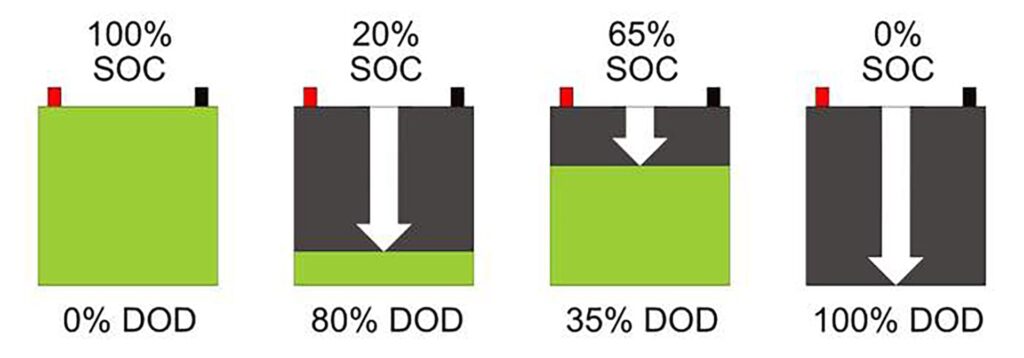
The benefits offered by BESS are quite enjoyable. Supporting grid stability, meeting peak demand (peak shaving), providing frequency control and optimizing the use of renewable energy are just a few of them. For example, in a solar power plant, BESS allows excess generation during the day to be used at night, so that energy supply is aligned with demand. For example, a system designed with a 6000 cycle life and 80% Depth of Discharge (DoD) can deliver reliable performance for 10 years. This is a big win both economically and environmentally.

In short, we can define DoD as follows.

In conclusion, BESS is an indispensable solution to unlock the full potential of solar power plants. These systems are shaping the future of renewable energy while increasing grid reliability.

If you need engineering for your storage solar power plants, you can contact us at bilgi@solarian.com.tr.

Grid Integration of DGES and BESSs and Regulations in Turkey

Battery Energy Storage Systems (BESS) in solar power plants play a critical role to ensure energy continuity, increase grid stability and optimize the energy supply-demand balance. However, the integration of BESS at grid scale is dependent on many technical, regulatory and operational factors in today’s world where SPPs with Storage (SPES) have started to enter our lives. In Turkey, this integration process is carried out within the framework of technical specifications and standards set by various institutions, primarily TEİAŞ and TEDAŞ.

Technical Requirements for Integration of BESS into the Grid

In order to successfully integrate BESS into the grid, the following technical requirements must be met:

  • Grid Connection Standards: IEC 62933 series and compliance with the connection criteria set by TEİAŞ in Turkey.
  • Frequency and Voltage Regulation: The BESS should have the function of stabilizing the grid frequency and providing voltage regulation.
  • Island Mode Operation: During grid outages, the BESS should be able to supply critical loads when necessary by operating in isolation.
  • Reactive Power Management: Active and reactive power should be controlled to improve power quality.
  • SCADA and Remote Monitoring: Compliance with the data collection and remote monitoring standards set by TEİAŞ must be ensured.

TEDAŞ and TEİAŞ Standards and Specifications for BESS in Turkey

The regulatory framework for energy storage systems in Turkey is based on technical specifications and standards set by TEİAŞ and TEDAŞ:

  • TEIAS Technical Specifications:
    • The technical criteria to be met for the connection of BESS to the Turkish electricity transmission system have been determined.
    • Voltage and frequency tolerances and limits to be observed for system safety are clearly defined.
    • Grid connection and operation requirements for energy storage systems are specified.
    • MONITORING and CONTROL OF ELECTRICITY STORAGE FACILITIES Below
    • You can find the PDF document published by TEİAŞ titled “PROCEDURES and PRINCIPLES REGARDING THE EDUCATION”.
PRINCIPLES AND PROCEDURES FOR MONITORING AND CONTROLLING ELECTRICITY STORAGE FACILITIES-30122024 (PDF)Download
  • TEDAŞ Distribution System Standards:
    • How the BESS should operate at medium and low voltage levels is defined.
    • Smart grid integration and its impacts on the distribution system are evaluated.
    • Below you can find the file titled GRID CONNECTION and COMPATIBILITY CRITERIA OF ELECTRICITY STORAGE FACILITIES published by TEİAŞ.
GRID CONNECTION AND COMPLIANCE CRITERIA FOR ELECTRIC STORAGE FACILITIES-30122024 (PDF)Download

Grid Support Services: Frequency Regulation and Reactive Power Management

BESS plays a critical role in network support services:

  • Frequency Regulation: Provides fast response mechanisms that balance active power to keep the grid frequency at nominal level.
  • Reactive Power Support: Improves power quality in the grid by contributing to voltage regulation.
  • Peak Load Balancing: Reduces the load on the grid by providing energy during hours of high electricity demand.
  • Island Mode Operation: It can meet the energy needs of a specific region independent of the grid.

Electrical Storage Units Test Procedures

You can find the detailed document on the test procedures of the storage systems to be used in the DGES below.

TECHNICAL CRITERIA AND TEST PROCEDURES FOR THE USE OF ELECTRIC STORAGE UNITS AND FACILITIES IN AUXILIARY SERVICES 30122024 (PDF)Download

Licensing, Incentives and Investment Processes

Investment processes for energy storage systems in Turkey are supported by licensing processes and incentive mechanisms determined by the Energy Market Regulatory Authority (EMRA):

  • Licensing Process:
    • The pre-license and license processes granted by EMRA for BESS investments have been determined.
    • Legal obligations for BESS projects integrated into power generation plants.
  • Incentives and Supports:
    • Government incentives for energy storage systems integrated with renewable energy sources.
    • Supports offered by TEİAŞ for BESS investments in the balancing market.

Conclusion

Grid integration of BESS requires a comprehensive process in terms of compliance with technical standards, regulatory frameworks and market mechanisms. While the standards set by TEDAŞ and TEİAŞ in Turkey ensure that energy storage systems can be safely and efficiently connected to the grid, international regulations and market dynamics shape the future of energy storage investments. Proper planning, technology selection and compliance with regulatory requirements will strengthen the role of BESS in energy markets.

You can contact us at bilgi@solarian.com.tr for your engineering needs regarding your GES with Storage (DGES) power plants that you are planning to build.

DGES, BESS and Grid Integration

As solar power plants revolutionize renewable energy generation, seamless and accurate integration into the grid is becoming a critical element to fully realize this potential. Battery Energy Storage Systems (BESS) compensate for the intermittent nature of solar energy, ensuring grid stability and increasing renewable energy penetration. Standards such as IEC TS 62933-5-1 define the technical requirements of this integration, while the Technical Specification guides concrete implementations. In this article, we will explore how BESS integrates with the grid, its impact on its stability and practical scenarios.

Network Stability and BESS

Frequency and Voltage Control

Grid stability requires frequency and voltage to be kept within certain limits, but variable sources such as solar power can challenge this balance. The soon-to-be-built Storage SPPs (SSPs) solve this problem with their fast response time. According to IEC TS 62933-5-1, the Power Conversion System (PCS) should respond to grid demands within 200 milliseconds and provide frequency regulation. In these cases, PCSs can compensate the grid by injecting or absorbing energy during sudden load changes. This offers a critical advantage, especially in regions with a high proportion of renewable energy and where grid stabilization is challenging.

Compliance with Network Codes

Technical Requirements and Standards

For BESS to work in harmony with the grid, compliance with local and international grid codes is a must. IEC TS 62933-5-1 standardizes requirements such as low voltage ride-through and reactive power support. According to Solarian’s technical specifications, the PCS’s grid connection tests must be completed and the system must be able to operate without disconnection during sudden voltage drops. For example, a BESS with a charge/discharge rate of 1C should be able to offer both reliability and flexibility by instantly adapting to the demands of the grid operator.

The connection and compliance criteria for SPPs with Storage offered by TEİAŞ in this process are as follows.

GRID CONNECTION AND COMPLIANCE CRITERIA FOR ELECTRIC STORAGE FACILITIES-30122024 (PDF)Download

Microgrid and Island Mode

Independent Energy Systems

BESS not only supports the main grid, but also emerges in microgrid and island mode applications. The combination of solar power plant + BESS can become an independent source of energy during grid outages. It can thus enable a solar power plant to be self-sufficient during night hours or in emergency situations. The electrical safety tests of IEC TS 62933-5-1 ensure that such systems remain stable even when operating off-grid. When the requirements specified in the technical specifications prepared by Solarian are met, a long-lasting and smoothly operating storage solar power plant can be designed and built.

Practical Application Scenarios

Real World Example

The impact of BESS on grid integration becomes clearer with practical examples. Let’s say a 10 MW solar power plant generates excess energy during the day; BESS stores this energy and transfers it to the grid in the evening when demand peaks. It also supports the grid operator by intervening within seconds during frequency drops (e.g. from 50 Hz to 49.8 Hz). According to Solarian’s technical specifications, with a lifetime of 6000 cycles and a Depth of Discharge (DoD) of 80%, a DGES system plays a role in grid services for 10 years.

Future and Conclusion

BESS and subsequently solar power plants with storage (SHPPs) contribute to the future of renewable energy by making solar power plants grid-friendly. Grid stability, flexibility and the ability to operate independently increase the value of these systems. Resources such as IEC TS 62933-5-1 and Solarian’s DGES Technical Specification provide the technical basis for integration.

For more detailed information about the regulations in Turkey, you can read our article on BESS’ Grid Integration and Regulations in Turkey.

You can contact us at bilgi@solarian.com.tr for your engineering needs regarding your GES with Storage (DGES) power plants that you are planning to build.

  • « Go to Previous Page
  • Sayfa 1
  • Interim pages omitted …
  • Sayfa 5
  • Sayfa 6
  • Sayfa 7
  • Sayfa 8
  • Sayfa 9
  • Go to Next Page »

SOLARIAN